

A commercial photography project checklist
Clarify the brief, shot list, studio resources, review owner and delivery requirements before a commercial photo shoot begins.
Who this guide is for
Creative studios and commercial photographers coordinating a client brief, a production team, and a defined set of deliverables.
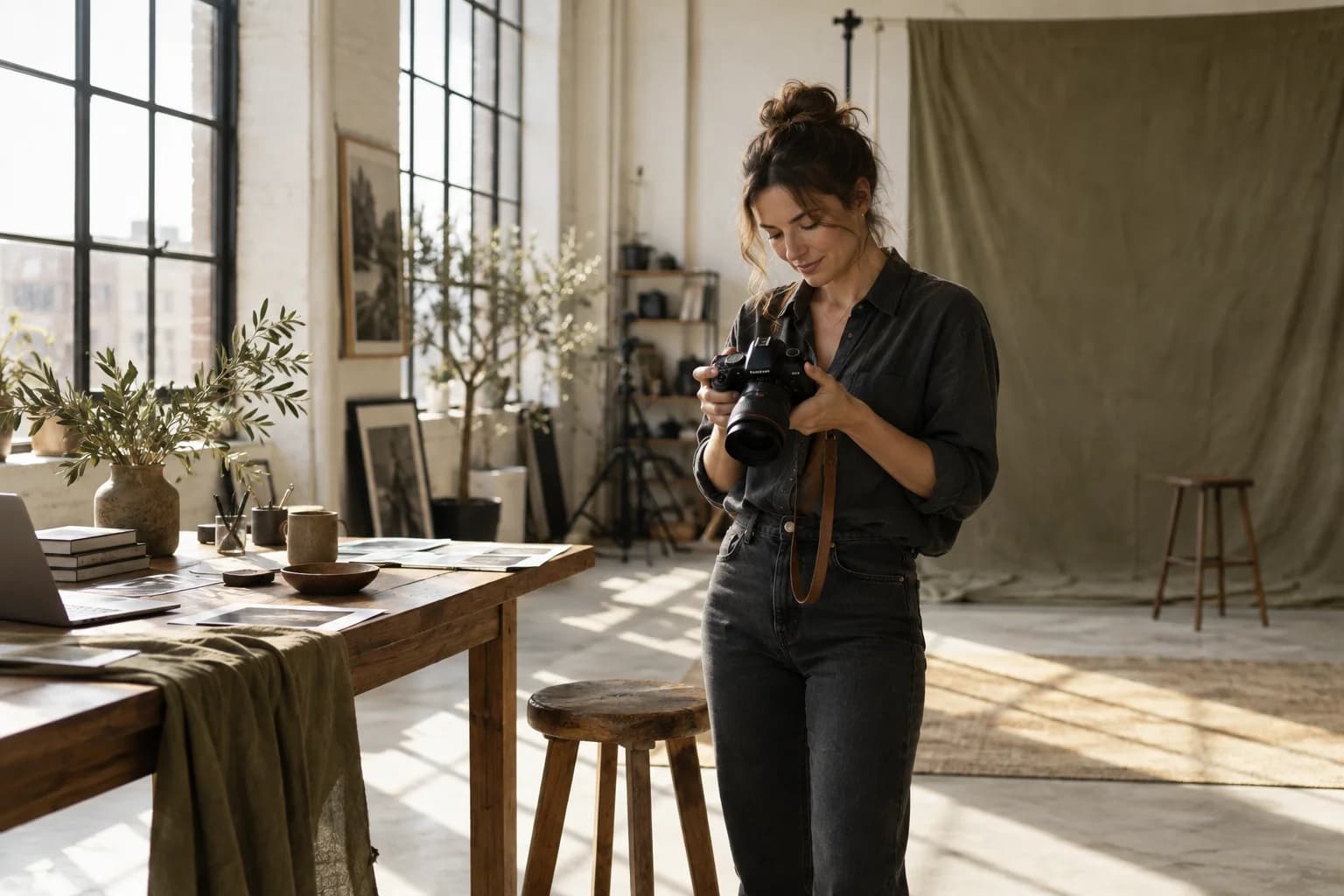
A commercial photography project checklist should cover the brief, deliverables, people, resources, approval process, and final handoff. Begin by agreeing what the client will receive and who can approve it. Work backwards from those requirements to the shot list and studio schedule. This prevents a technically successful shoot from producing files the client cannot use. It also gives the production team a shared definition of completion before the first light is set up.
Make the brief specific enough to shoot.
List the products or subjects, required views, intended placements, aspect ratios, and delivery formats. Ask whether images need space for copy and whether backgrounds or crops must match existing assets. Confirm which samples and reference materials the client will supply. Record deadlines for receiving them, the shoot, review, and delivery separately. Treat usage expectations as something to agree in writing with the client, rather than assuming that one standard package covers every campaign.
Reserve the whole production window.
Schedule access, equipment setup, styling, capture, client review time, and the room reset. Check the room, photographer, assistants, and shared equipment against the same window. A free photographer does not make a studio bookable when its lighting kit is elsewhere. Assign one person to confirm resource changes. If the shot list grows, review the schedule and agreed scope before promising additional work. Leave enough space between productions for the team to hand the room over properly.
A useful brief describes the files the client needs, not just the photographs the team will take.
Choose one review owner before proofing.
Ask the client to name one person who will combine feedback and approve selections. Specify how proofs are identified, when comments are due, and what counts as a new request. Keep the selected image identifiers with the project so that retouching does not start from an ambiguous message. Before delivery, check file names, dimensions, formats, and the agreed image count. Include a clear handoff note describing the contents and where the client should report a missing or incorrect file.
Checks before the studio day
- Brief: confirm subjects, views, references, intended placements, formats, and the review deadline.
- Production: reserve the room, people, equipment, setup time, and reset time together.
- Approval: name the review owner and agree how selections, corrections, and added scope are handled.
Connect planning to the client record.
Keep the booking, client context, and gallery handoff connected in Karavex. Review the resource calendar when the production plan changes. The checklist supports a conversation with the client; it should be updated when the brief changes so the team always works from the current agreement.
Common questions
What belongs in a commercial photography brief?
Include subjects, a shot list, intended placements, aspect ratios, file formats, references, deadlines, and the person who approves the work.
How much studio time should be reserved?
Reserve the complete production window, including setup, styling, capture, review, and reset. Confirm people and equipment availability for that whole window.
Who should approve commercial photo selections?
Choose one client review owner to consolidate feedback and approve the final selection. This reduces conflicting instructions and unclear retouching requests.