

Photography client feedback: questions that help
Ask better photography client feedback questions after delivery. Use a short email, spot friction, and turn client answers into a better next shoot.
Who this guide is for
Independent photographers and studio teams who want useful feedback after a completed shoot, rather than another collection of vague compliments.

The gallery is delivered. Your client replies, “These are lovely!” You are pleased, but you still do not know whether booking felt confusing, the session felt rushed, or the download instructions made sense. Photography client feedback becomes useful when you ask about a specific moment, give the client room to be honest, and decide what you will change. Start with a short message after the client has had time to view the finished photographs. Ask what worked, where they hesitated, and what would make another session easier. You are reviewing the experience, not asking the client to grade your creative identity.
Ask about a moment, not a mood.
“Were you happy?” invites a polite yes. “Was there a point when you were unsure what happened next?” gives the client something concrete to remember. The difference matters: a person can love their portraits and still find the booking process difficult. Separate the quality of the photographs from the work of becoming, being, and finishing as your client.
Choose three questions for the job you actually delivered. For a portrait session, try: “What helped you feel comfortable before or during the shoot?” Then ask: “Was anything about booking, preparation, choosing photographs, or downloading them unclear?” Finish with: “What would make your next session easier?” These are sample prompts to adapt, not a mandatory survey.
For a commercial client, replace the comfort question with one about the working brief: “Did the preparation give your team what it needed to approve the final images?” For a family session, ask whether the arrival and preparation instructions were practical. Avoid leading questions such as “How easy was our brilliant new gallery?” You need their description, not agreement with yours.
Keep private feedback separate from a testimonial request. A client should be able to tell you something went wrong without wondering whether you plan to publish it. If a comment would make a useful public quote, ask separately for permission and agree the wording and attribution.
Send a message that is easy to answer.
There is no useful universal rule that every photographer must send a survey a fixed number of hours after delivery. Choose a point when the client has realistically had time to view the work. A personal portrait client may respond to a simple email; a commercial contact may need to hear from colleagues first. If the client has already raised a problem, answer that problem before inviting general feedback.
Here is a short email you can adapt: “Hi Alex, I hope you have had a chance to look through your photographs. I am reviewing how the session worked from your side. What helped you feel prepared? Was any step unclear? What would make a future session easier? A short reply is welcome, and there is no need to answer everything. Thank you for your time.”
Use the channel the client already knows. A direct reply can be enough; a separate form is useful only if it makes answering easier or helps you review responses consistently. Do not make someone sign in to another service just to tell you your instructions were hard to follow. Avoid asking for information you already hold, and do not request sensitive personal details to explain a service problem.
Treat silence as missing information. It does not prove satisfaction, dissatisfaction, or permission to keep contacting someone. If you send a reminder, keep it brief and considerate. The invitation should feel like a chance to improve the service, not another task the client owes you.
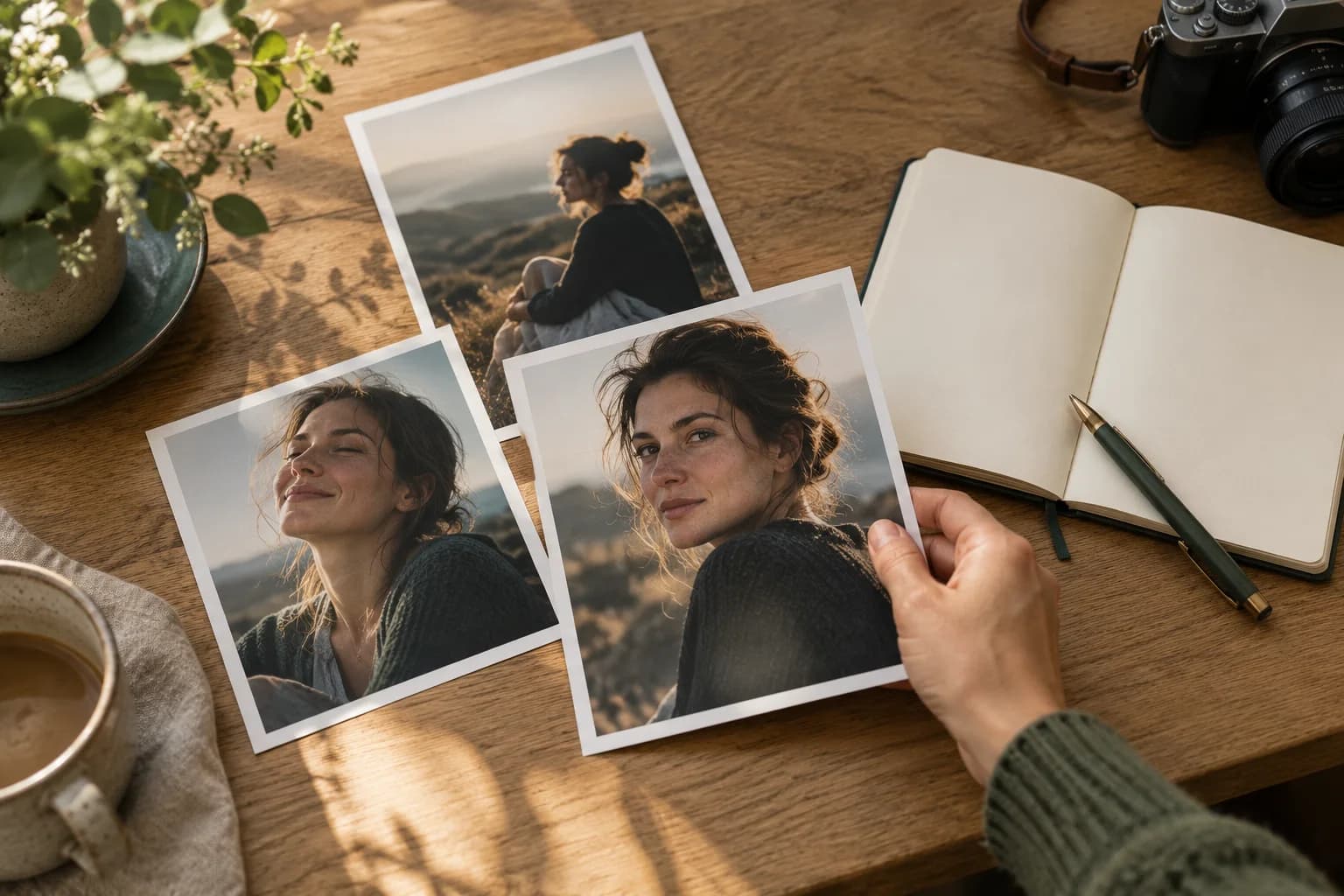
“A useful answer names a moment. A useful review changes what happens at that moment next time.”
Turn the answer into one visible change.
Imagine a client says, “The photographs were great, but I did not know whether I was choosing proofs or downloading the finished files.” Sending the gallery link again would repeat the same confusion. A better response explains which stage they are in, then improves the wording in your selection or delivery instructions before the next client reaches it. This is an illustrative scenario, not a customer case study.
Record the observation in plain language. Note the stage, the actual friction, the person responsible for a change, and how you will check it. For example: “Delivery: client could not identify final files. Owner: studio manager. Change: put the download instruction above the link. Check: review the next delivery message before sending.” Keep the note useful to the team without copying unnecessary private details.
Look for repeated themes across completed jobs, while remembering that a few voluntary replies do not represent every client. One person’s unusual preference can deserve a thoughtful response without becoming a rule for everyone. If feedback conflicts, ask which type of session, audience, or expectation each answer describes. A wedding couple and a marketing team may need different handoffs.
Close the loop when you can make a concrete commitment: “Thank you for pointing that out. I have clarified which gallery contains the finished files.” In Karavex, use the client record to keep relevant context near the booking. Review the next shoot’s brief and instructions before adding another tool. The value comes from a clearer service, not the number of responses collected.
Your next three-question feedback request
- Keep: What helped you feel prepared, comfortable, or confident about the result?
- Clarify: At which point were you unsure what to do next?
- Improve: What would make another session easier for you?
Make the next client’s experience easier.
Choose one recently completed shoot, send a short and personal feedback invitation, and read the answer before changing your workflow. Keep the useful context with the client record, assign one practical improvement, and check that it appears in your next booking, preparation message, or delivery. You do not need a complicated survey to learn something valuable. You need a specific question and the willingness to act on the answer.
Common questions
What should I ask photography clients after a session?
Ask what helped them feel prepared, where they were unsure what to do next, and what would make a future session easier. Adapt the questions to the kind of shoot and keep feedback on the service distinct from image selection.
When should I request photography client feedback?
Ask after the client has had a realistic opportunity to view the finished photographs. Allow for team approval on commercial work, and resolve any open delivery issue before sending a general feedback request.
Can I publish a client’s feedback as a testimonial?
Treat private feedback as private. Ask separately whether the client is comfortable with a public quote, and agree its wording and attribution before using it.